Moms
You’re already an amazing mom!
Moms are often so busy taking care of everyone else, they forget to take time for their own health. You are key to your family. Let’s help you learn more about the physical and emotional changes you’re going through.

Being a healthy mom increases the chances of having a healthy baby, and healthy babies thrive. So a healthy, happy life for your family starts with you.
Take Care of Yourself
Of course, having a baby changes your life. And your body may go through changes, too. For example, you may feel overwhelmed and anxious sometimes. But when you understand these changes, it can help you feel better, which can help your baby feel better. Perinatal Mood and Anxiety Disorders (PMADs)
From prenatal visits to stress management, Delaware women can get free help to live a healthy life through our Healthy Women, Healthy Baby program.
Check out our Home Visiting page. It is a free program for Delaware women that offers personal health, wellness, nutrition, mental health, and prenatal care.
Creating a healthy eating pattern can help with energy, which all moms need. Healthy eating can also help your body recover from childbirth and help you feel your best! Fast food and sweet treats may be an easy fix for hunger, but they come at a cost to your overall health. New moms may find it difficult to find time to eat. Try several healthy snacks or several small meals throughout the day. Breastfeeding moms need even more calories. This is the time to eat healthy and drink plenty of fluids. But it is not the time to diet.
It is recommended that you get 7–8 hours of sleep each night. It may be hard with a little one, but the best you is a refreshed you! Whenever your baby is napping, you also should try to get a nap or at least lay down or put your feet up.
When you’re caring for a baby, finding time to exercise can be tough. Take it easy until you return to your provider for your postpartum visit to make sure everything is healing and progressing as expected. Some days you might feel too tired, but start exercising slowly! Walking outside is a great way to start — the fresh air and sunshine can be an extra benefit. You can also exercise with your baby. You can lay your baby down next to you while you do yoga! Exercising after pregnancy might not be easy, but it helps your health and gives you energy.
Having a baby can throw the “to-do lists” out the window. Taking care of your baby and you is most important. It’s okay not to accomplish everything you hoped to get done in one day. Give yourself a break. Try relaxation techniques like deep breathing and yoga. These techniques are good not only for your physical health, but also your emotional health.
Asking for help is another way to be kind to yourself. You don’t have to do this alone. People likely want to help you. If your partner, friends, or family offer support, say yes.
It’s never too late to make a plan for your life. Think about what you need to be healthy and happy. Putting together a life plan can help you learn more about yourself and your family. This baby may be your first or a new addition to your family. Have you thought about having more children in the future? There are many things to consider when choosing to add to your family.
A life plan will also help you make the best choices for the life you want. Ready to take the first step? Visit our Life Plan program page.
Make sure you go to your postpartum check-up — your check-up after you deliver your baby. This is usually two weeks after your baby is born. At this visit, your health care provider checks to make sure you’re recovering from labor and delivery. After you deliver your baby, this is the postpartum visit that can help you stay healthy for life. If you need birth control, this is also a good time to talk about your options! You will be fertile before you have your first period postpartum, and breastfeeding is not a foolproof method of birth control.
Your body keeps changing after you give birth. You won’t even notice some changes, but others can be uncomfortable. Most of these changes happen in the first six weeks
What are some of these changes?
perineum soreness nipple pain swelling constipation
These are just a few of the common changes to your body after having a baby
Your mood or levels of anxiety can begin to change in pregnancy or postpartum. The first few weeks it’s normal to have some mood and sleep changes
If you need more help understanding your changes, check out our Healthy Women, Healthy Babies program. It is a free program for Delaware women offering help with wellness, nutrition, mental health, and prenatal care.
Healthy Women, Healthy BabiesPill, patch, IUD (intrauterine device)? At your appointment, your provider can help you figure out what type of birth control is right for you, your partner, and your new lifestyle. Make sure you have a plan before you and your partner resume sexual activity.
It’s important to wait at least 18 months before you consider getting pregnant again. This is Birth Spacing. Your body needs time to heal.
We have tips on birth control after your baby arrives so you can learn all your options.
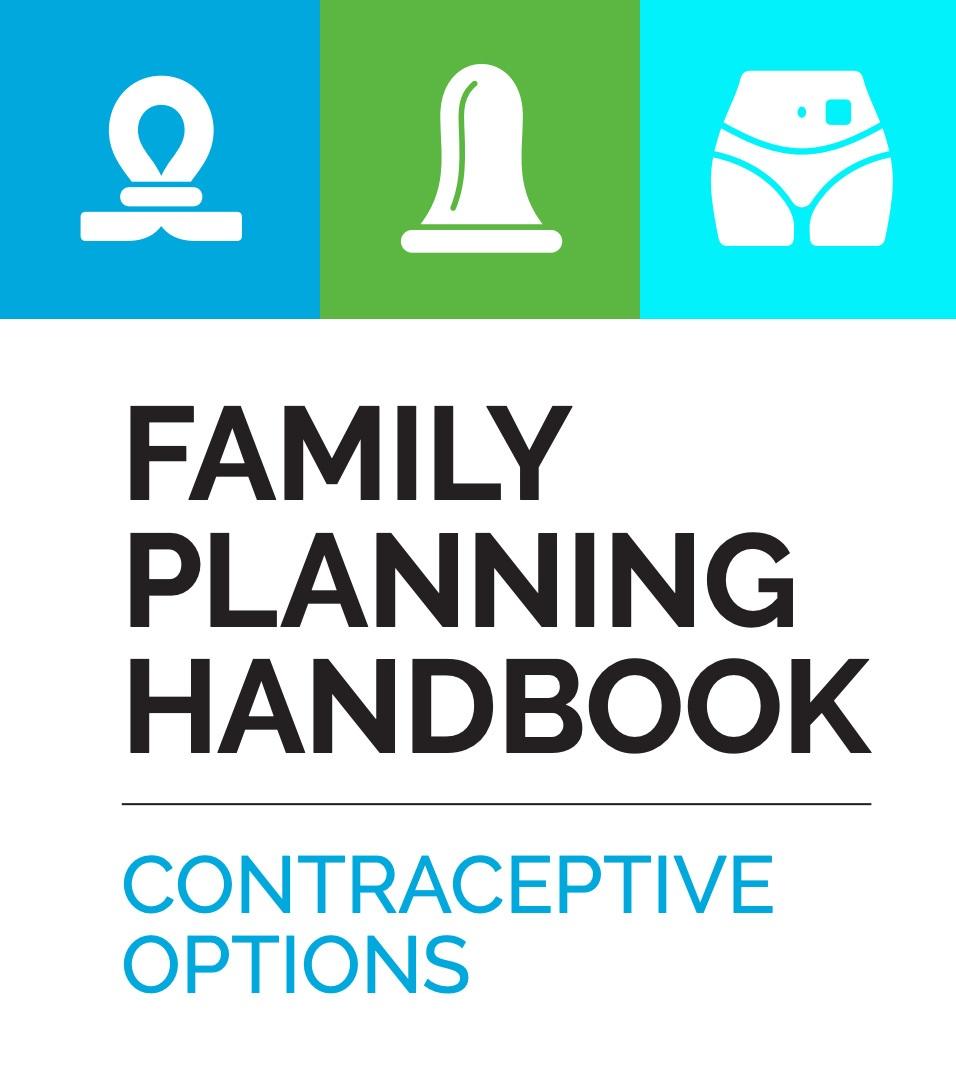
Family Planning Handbook — Contraceptive Options
This in-depth brochure explains all the most commonly available birth control options, including how they work, how they’re used, their benefits, and any possible concerns.
ViewNational Maternal Mental Health Hotline
Pregnant women and new moms can call or text 1-833-TLC-MAMA (1-833-852-6262)
Taking Care of Your Child
Everything’s different now that you’re a mom. Life is busier. Knowing the right things to do for your baby’s health can help you adjust to your new life. Feeding, safe sleep, well visits, and more — babies need a lot. While it may feel like too much to remember at times, there are simple things you can do to care for your baby.
Breastfeeding is recommended as the best nutrition for your baby. Besides the nutritional and natural immunity benefits breastfeeding offers, another benefit is it’s free! Breastfeeding can be challenging for many mothers. There are many organizations that can help you if you are having trouble with breastfeeding.
Looking for tips and hints on breastfeeding?
- Don’t be afraid to ask for help
. - Let the baby set the pace.
- Have the baby sleep in your room (alone and in their own crib).
- Worried about breastfeeding in public? Delaware has laws to protect you in any public location!
- Breastfeeding moms also need additional calories and fluids to keep up their breast milk supply.
See more breastfeeding tips on the Mayo Clinic’s page
You’re tired, and understandably so! It may seem harmless to take a quick nap with your baby on your bed or on the couch … but it’s not! Sleeping with your baby puts the baby at risk of Sudden Unexplained Infant Death (SUID). This risk is even higher if you or your partner is under the influence of alcohol or drugs. Remember, babies are safest when they sleep on their back alone in a crib without blankets, bumper pads, pillows, or toys. If you need help finding a crib, you have help. Talk to your health care professional and ask them to refer you to the Cribs for Kids
For more information, check out our Safe Sleep program.
Well-child visits with your baby’s health care provider help to catch any problems early and keep your baby healthy. The provider checks on your baby’s growth and development and lets you know what your baby should be able to do based on age (like roll over, sit up, crawl, etc.). They could offer you immunizations to keep your baby from getting sick. See your baby’s doctor at one month, two months, four months, six months, nine months, one year, 15 months, and 18 months.
You can protect your baby against many diseases by getting vaccinations — also called immunizations or shots. These start at birth. Protect your baby by getting all the recommended vaccines on time. Want more info on when to get your child vaccinated? Check out Delaware Department of Health and Social Services (DHSS) vaccination schedule
Vaccines aren’t just for kids! Any adults around the baby should also make sure they are up to date on vaccines. You might not realize it, but getting immunized is a lifelong commitment
Visit our Smile Check page to learn about the services they offer for your child in person and online and services that are available for the entire family as well.
Really — all babies cry, and sometimes you may feel like joining in. When a baby who is otherwise healthy cries for more than three hours per day, more than three days per week for at least three weeks, it is a condition defined as colic. Colic usually goes away on its own, but you can always ask your baby’s health care provider.
Caring for a colicky baby can be extremely frustrating, so be sure to take care of yourself, too. If you need a time out, take one. It’s okay to put the baby down in the crib and take time to relax. If at any time you feel like you might hurt yourself or the baby, put the baby down in the crib and call for help immediately.
Pregnant women and new moms can call or text the National Maternal Mental Health Hotline
It’s better to call your baby’s provider to be safe if something doesn’t feel right, especially during the first year after delivering your baby! You know your baby best.
Tracking your baby’s growth and helping them develop through play can help your baby reach their full potential. What should you expect as your child grows? Visit our Developmental Screening page to learn how to understand your child’s changing body.
The Nemours website
Your child may have special needs. If you need help, visit our Family SHADE program page. We can connect you with community resources as well as other families that have similar needs and experiences.
Need more tips on taking care of your little one?
Visit our Your Growing Child page for more tips and tricks for parenting.
Need Assistance?
If you’re like most moms, you sometimes wonder if your child’s physical development, emotional behavior, or learning curve is on track. You don’t have to wonder anymore. Help Me Grow at Delaware 2-1-1
Breaking Down Barriers
Improve health equity! It’s the chance for everyone to make the choices to stay healthy. Reach your full health potential without barriers. Want to talk more about health equity? Hear from women like you and even share your own story. Learn about health equity and spread the word.
Need Help with Abuse?
Family changes and the pressure that comes with them can lead to physical and/or emotional violence in the home.
If you are in immediate danger, call 911.
If you are in an abusive relationship, or know someone who is, call your local 24-hour domestic violence hotline to learn about all of your options, including shelter, legal assistance, support groups, and more. The hotline staff can help you create a safety plan personalized for your situation.
The Delaware Coalition Against Domestic Violence offers a 24-hour intimate partner violence hotline.