Your Growing Child
Children are constantly growing. Help yours thrive!
Life as a caretaker is busy! Knowing the right things to do for your child’s health can help you adjust to your growing and changing child. Feeding, safe sleep, well visits, and more — kids need a lot as they develop. Here are some tips and important things to remember when caring for your little (or not so little) one.
Care for Your Child
Healthy eating is key when taking care of your child. It’s the foundation for creating healthy long-term habits. What should your child eat?
Infants
Breastfeeding is recommended as the best nutrition for your baby. Besides the nutritional and natural immunity benefits breastfeeding offers, another benefit is it’s free! Breastfeeding can be challenging for many mothers. There are many organizations
Children Age 1 and Older
Once your child turns age one, they can try a wide variety of food
Looking for tips on healthy eating for kids? Check out the My Plate
According to the CDC, 1 in 5 children in the U.S. are obese.
Help to Reduce Childhood Obesity
If a child is overweight or obese, they are at a higher risk of growing up with health-related issues such as bone and joint problems, type 2 diabetes, heart disease, and obesity as an adult. They may even experience bullying, or lower self-esteem compared to children with healthy weight. There are many solutions parents could use to help reduce or lessen this for their child, which include:
Eat the rainbow and slow down on sugar.
Make sure to eat a variety of 5 fruits and vegetables each day. Try to avoid sugary drinks and foods as much as possible.
Get moving!
Children 3–5 years old, such as preschool-aged children, can improve their growth and development if they are physically active throughout the day. The adult who is caring for the child should encourage active play (light, moderate, or vigorous intensity) that includes a variety of activity types such as throwing games, tricycle riding, or hopping. Aim for at least 3 hours per day of physical activity for preschool-aged children.
Children 6 and up, such as school-aged youth, need at least 1 hour or more of moderate- and vigorous-intensity physical activity every day. You can also get moving with them. Start off with 10 minutes of physical activity at a time, do 10 more minutes, and before you know it, you’ll be at the full 1 hour!
Cut down on screen time.
Screen time is time your child spends looking at a tablet, phone, computer, or television. Limit this sedentary screen time.
Sleep well.
Make sure your children are getting enough sleep. According to the CDC, children 6–12 years old need around 9–12 hours of uninterrupted sleep at night, and children 13–18 years old need 8–10 hours a night.
Adults play a very important role when it comes to giving age-appropriate physical activity opportunities for their child. When they do this, it helps set an important foundation for lifelong, health-promoting physical activity. Adults should also encourage active play and activity in children as children grow older. As children become adolescents, they typically lessen their physical activity, making it all the more important for adults to provide age-appropriate, enjoyable opportunities for physical activity and to encourage youth to participate.
Source: Physical Activity Guidelines for Americans, 2nd edition, 2018
Well-child visits with your child’s health care provider help to catch any problems early and keep your baby healthy. The provider checks on your child’s growth and development and lets you know what things your baby should be able to do based on age (like roll over, sit up, crawl, etc.).
You should schedule your well-baby visits when your child reaches these ages:
1 Week 1 Month 2 Months 4 Months 6 Months 9 Months 12 Months 15 Months 18 Months 24 Months 30 Months 3 Years+ Yearly
Oral health, lead screening
According to House Bill 202
Don’t let insurance be a barrier to your child’s health care! If you are uninsured or underinsured, call 2-1-1 for the Help Me Grow program.
At many well-baby visits, your child gets scheduled immunizations. These vaccinations protect your baby against certain diseases beginning at birth. Protect your baby by getting all the recommended vaccines on time. Want more info on when to get your child immunized? Check out DHSS’ vaccination schedule
Remember, vaccines aren’t just for kids! Any adults around the baby should also make sure they are up to date on vaccines. You might not realize it, but getting immunized is a lifelong commitment
Developmental Milestones
There are ways children speak, act, and learn by certain ages. These are called developmental milestones
Tracking your baby’s growth and encouraging development through play is something that can help your baby reach their full potential. Our Books Balls & Blocks (BBB) program is a free, fun family event where children can get an early childhood development screening. At the BBB program, children can take part in activities with their peers, while parents can observe, talk, and learn as everyone plays.
What should you expect as your child grows? The Nemours website
Want to learn more about developmental milestones? Visit the program page.
Developmental Screening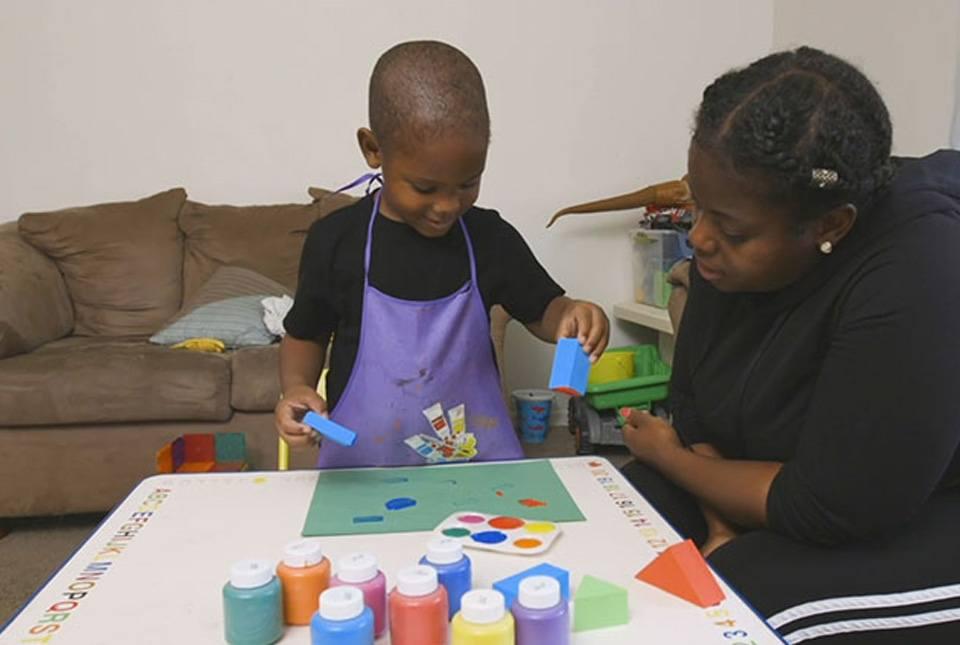
Quality Time Is Important
The first 1,000 days of a child’s life are a period of super-fast changes in their bodies, their brains, and their emotions. The one thing kids need most from the people who care for them is time. Spend time with them! Take time to find out about your child’s day. Our Quality Time 30 program has ideas for ways to spend quality time with your child. Reading together is one of the most important things you can do for your child. Delaware libraries
More Ways to Care for Your Child.
For children under the age of one.
Always make sure your baby sleeps in a safe space. It may seem harmless to take a quick nap with your baby on your bed or the couch … but it’s not! Sleeping with the baby puts the baby at risk of Sudden Unexplained Infant Death (SUID). This risk is even higher if you are under the influence of alcohol or drugs. Remember, babies are safest when they sleep alone on their back in their own crib, without blankets, bumper pads, pillows, and toys. If you need help finding a crib, you have help. Talk to your health care provider and ask them to refer you to the Cribs for Kids
For more information, check out our Safe Sleep program.
All babies cry, and sometimes you may feel like joining in. When a baby who is otherwise healthy cries for more than three hours per day, more than three days per week for at least three weeks, it is a condition defined as colic
Caring for a colicky baby can be extremely frustrating, so be sure to take care of yourself, too. If you need a time-out, take one. It is OK to put the baby down in the crib and take time to relax. If you feel like you might hurt yourself or the baby at any time, put the baby down in the crib and call for help immediately. Our Help Me Grow at Delaware 2-1-1 program can help.
It is better to call your baby’s health care provider to be safe if something does not feel right, especially during the first year after delivering your baby! You know your baby best.
Children with special needs often have unique challenges at home and school. Nearly one out of every five children in the United States has a special health care need. A special health care need can be based on physical, intellectual, and developmental disabilities, as well as long-standing medical conditions such as asthma, diabetes, a blood disorder, or muscular dystrophy. Our Family SHADE program can connect you with community resources as well as other families that have similar needs and experiences.
Don’t forget to take care of yourself.
The first step of taking care of your child is taking care of yourself. Let’s thrive and live a longer, healthier life. Here are a few tips to take care of you.
Don’t smoke.
If you do smoke or use other tobacco products, ask your doctor to help you quit. Visit the Delaware Tobacco Prevention and Control Program.
Eat a healthy diet.
Choose fruits, vegetables, whole grains, and lean sources of protein, such as fish and chicken. Limit foods high in trans fats and added sugar or sodium, like fast food.
Get moving.
Exercise can help you lower your risk of heart disease and stroke. It can also help improve your mood and be a great way to deal with stress. So aim to get 30 minutes of moderate-intensity exercise a day, for five days a week.
Limit alcohol.
If you choose to drink, do it in moderation. That means up to two drinks a day. Too much alcohol can increase your risk of high blood pressure, heart attack, stroke, and possibly cancer.
Don’t misuse drugs.
Did you know some vitamins and drugs can’t be taken together or can cause harm? Talk to your provider before you stop taking medication. If you or someone you care about is struggling with addiction, you are not alone. Help is available
to you regardless of insurance, from specially trained substance use disorder providers you can trust. Manage stress.
Stress can affect your overall health, so make sure you find ways to manage it by making time for yourself. Going for hikes, participating in a hobby, exercise, or meditation, and talking through issues are all great ways to reduce and manage stress.
Visit your health care provider.
Get your annual health check up. See your health care provider any time you are concerned or have symptoms you want checked out. Your health care provider can be your best ally for health education and disease prevention. Ask your doctor about preventive care such as cancer screenings, vaccinations, and other health evaluations. It’s also important to know your health history. Your family’s health history may reveal your risk for developing certain diseases in the future. Your provider can also help you get checked for STDs annually or when you have a new partner.
Looking for more ways to take care of yourself? We have a page to focus on your health, too!

We have programs to help.
If you need more help or guidance, you can also reach out to a Community Health Worker. Community Health Workers (CHWs) serve as a connection between health/social services and the community to simplify access to services and improve service delivery. CHWs aim to build individual and community capacity to improve health outcomes through a variety of activities such as outreach, health education, informal counseling, social support, linkages and referrals to health care, as well as community resources such as financial coaching or housing. Our Evidence-Based Home Visiting Program can also help you get one-on-one personalized help to care for your family.
Need Assistance?
Looking for formula or diapers? Interested in finding services that could build your child’s developmental skills? Help Me Grow at Delaware 2-1-1
Breaking Down Barriers
Improve health equity! Learn how your ZIP code or where you live can determine your quality of life. It’s the chance for everyone to make the choices to stay healthy. Learn about health equity and spread the word.