Healthy Smiles
Healthy smiles are important!
Healthy smiles are important! The Smile Check program can help you learn how to guide your family’s oral health and build healthy habits.
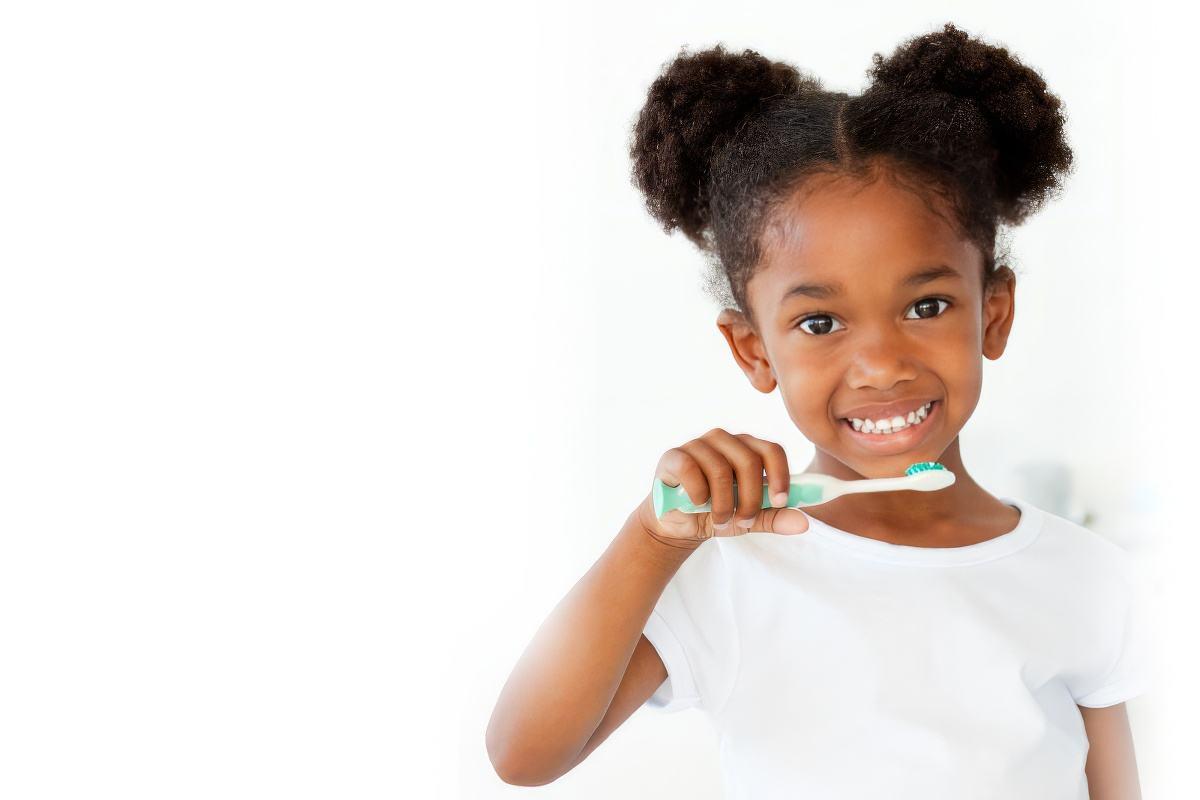
Having a Healthy Smile Starts Now!
Children and adults insured by Delaware Medicaid or the Delaware Healthy Children Program (CHIP) can get free dental screenings, fluoride treatments, and toothbrushes when screened in person through the Delaware Smile Check Program at one of many participating locations throughout Delaware. Smile Check also offers virtual screenings for children and individuals of all ages — remotely, at any time and any place — to help make important oral health services available to all.
What Services Are Offered?
- Free dental screening* A licensed dental hygienist checks for signs of infection, cavities, gum problems, trauma, malformations, or abnormalities in the teeth or tissue of the mouth.
- Fluoride varnish* The hygienist applies fluoride to strengthen teeth against decay and reverse early cavities.
- Dental health education Participants can learn how to take care of their teeth and any problems they may have. Dental professionals can identify high-risk behaviors and offer recommendations for healthier alternatives.
- Oral health evaluation report* The participant gets a dental screening report to take with them after a dental screening.
- Case management Need help navigating the health care system? Smile Check is here to help you and your family get the care you need. Some will qualify for free dental cleanings through their dentist.
- Dental necessities* Toothbrushes, fluoride toothpaste, and dental floss are given to each participant.
*Limited to in-person screenings
For more detailed information including dental insurance/coverage information, view our Dental Resource Guide
Smile Check A Community-Based Oral Health Initiative for All
Learn about the oral health initiatives at different life stages.
Smile Check: A Community Based Oral Health Initiative for Children
Oral health is important for kids
Cavities (also known as caries or tooth decay) are one of the most common chronic diseases of childhood in the United States. Untreated cavities can cause pain and infections that may lead to eating, speaking, playing, and learning problems.
Here’s how you can help your child’s oral health, according to the CDC:
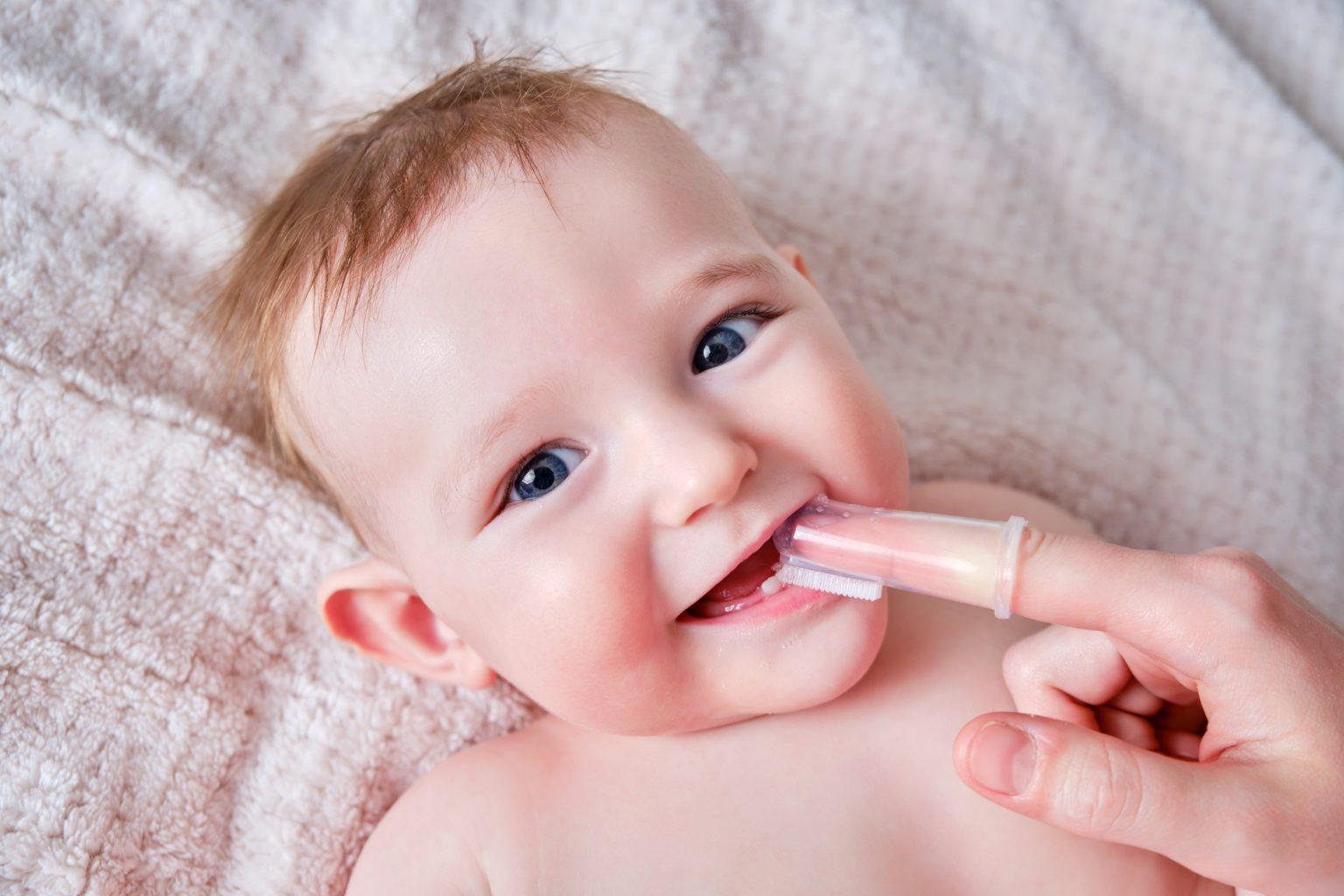
- Infants without teeth: Wipe gums twice a day with a clean, soft cloth in the morning after the first feeding and right before bed to wipe away bacteria and sugars that can cause cavities.
- Babies with teeth: Start brushing twice a day with a soft, small-bristled toothbrush and water. A smear of fluoridated toothpaste (no bigger than a grain of rice) is safe and recommended.
- One Year Old: Once your child is a year old, visit the dentist to make sure their teeth are healthy.
- Children: Brush their teeth twice a day with fluoride toothpaste. Use dental floss to clean in between the teeth where the toothbrush can’t reach.
Resources
Below are resources and outside services that can help.
Baby Teeth Development and Care — American Dental Association
Milestones for Mini Mouths infographic
Smile Check: A Community Based Oral Health Initiative for Teens
Teens, take care of your teeth!
Oral hygiene in adolescence is important, as this is one of the stages of life when there is the greatest risk of dental problems. Changes in hormones, nutritional habits, mental health, physical health, and increase in substance use and sexual relationships can cause gum disease, cavities, tooth erosion, oral STD, and oral cancer.
Don’t let bad oral health mess with your smile. According to the CDC, 1 out of 7 teens has an untreated decayed tooth. Don’t let that be you!
How can you take care of your mouth?
- Brush your teeth for two minutes, twice a day.
- Floss (not the dance but your teeth).
- Mouthwash can help kill bacteria or neutralize and temporarily mask bad breath.
- Ask your parent about going to the dentist.
Children and youth with special health care needs may be at increased risk for oral diseases, which can further jeopardize the patient’s overall health. It is critical that caregivers supervise or assist daily with brushing and flossing. Visit the dentist at least annually and follow the schedule for routine dental care that your dentist recommends. Talk to your dentist or dental hygienist about the benefits of dental sealants to prevent cavities and fluoride supplements or rinses.
Resources
Below are resources and outside services that can help.
Smile Check: A Community Based Oral Health Initiative for Pregnant Women
Take care of your teeth and gums
If you have gum disease during pregnancy, the germs in your mouth can spread to your entire body. This could make you deliver a premature baby. Practice good oral health and keep you and your baby healthy. Brush your teeth twice a day, floss daily, and limit sugary foods. Snacking, nausea, and hormonal changes are a natural part of pregnancy but can make you vulnerable to dental disease.
Resources
Below are resources and outside services that can help.
Don’t let insurance be a barrier to your family’s health care! If you are uninsured or underinsured, call 2-1-1 or visit the Help Me Grow program.
Smile Check: A Community Based Oral Health Initiative for Adults
Going to the dentist for an annual cleaning and check-up is important.
A healthy mouth helps you eat, speak, smile, and show emotions. If you don’t take care of your mouth, you could end up with an oral disease. These range from cavities and gum disease to oral cancer. According to the CDC, almost half of adults 30 and older have signs of gum disease. Oral health can also impact your overall health, increasing your risk for some chronic diseases and making other diseases more difficult to manage.
Resources
Below are resources and outside services that can help.
Healthy Teeth and Gums
Find a Dentist
Mouth-Body Connection Infographic
Smile Check: A Community Based Oral Health Initiative for Oral Cancer Screening
The HPV virus can affect the mouth and throat.
Oral cancer can develop in the part of your mouth that can be seen with the naked eye (lips, gums, tongue, inner lining of cheek and roof of the mouth, or under the tongue). Regularly check these areas in your mouth for early signs of mouth cancer and notify your dentist or doctor of any changes.
Oral cancer can also develop in the oropharynx where it can’t be visualized by the naked eye (back of throat, including base of tongue and tonsils). Notify your doctor or dentist if you have any symptoms that may include a long-lasting sore throat, earaches, hoarseness, swollen lymph nodes, pain when swallowing, and unexplained weight loss.
Human Papilloma Virus (HPV) is thought to cause 70% of oropharyngeal cancers in the United States. Vaccination against HPV is the best protection against this type of cancer.
Resources
Below are resources and outside services that can help.
Oral Health and HPV
Check your mouth

Children aged 6 to 11 years without sealants have almost three times more first molar cavities than children with sealants.
View sourceConsent Form with On-Site or Virtual Options
Individuals can choose a virtual or on-site screening option. To participate in the Delaware Smile Check Program, adults can fill out the form to give information about themselves or a child, based on age or pregnancy.
The on-site option allows participants to receive a face-to-face in-person screening from a licensed Delaware dental hygienist, at school or another participating organization. Those eligible can also receive an application of fluoride varnish, which can prevent up to a third of cavities in baby teeth. All screened get an oral health bag with age appropriate supplies and oral health education. If you don’t have a dentist, Healthy Smiles can help find one.
The virtual option allows children or adults who are Delaware residents to be screened remotely from their location. By answering a series of questions, individuals can get recommendations, resources, and referrals based on their answers and the needs of their family. Care coordinators will help identify the habits that put the person at risk for poor oral health.
On-Site/Virtual Consent Form
Complete formCall 302-318-8850 if you have any questions.
Sign Up Your School or Organization
The Delaware Smile Check Program invites your organization, facility, or school to advocate for the oral health and wellness of your community by signing up to host an event at your site. To sign up for Smile Check screenings, education, or other preventive services, fill out the online consent form below.
Prescreening Checklist
Keep this form handy and use it to write down things you want to discuss with your child’s dentist and bring it with you to your child’s next dental appointment.
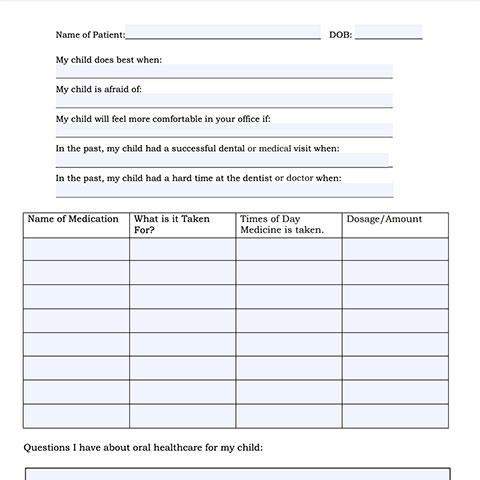
Healthy Smiles prescreening checklist
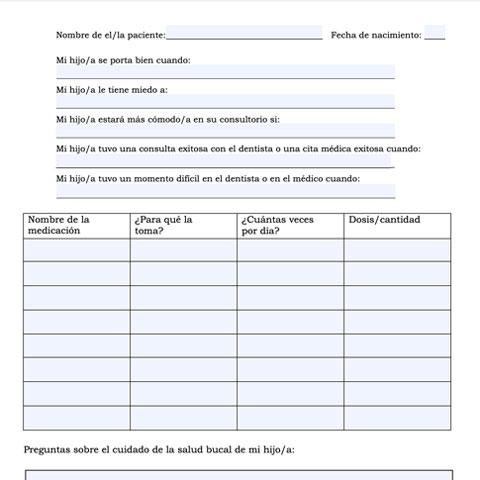
Healthy Smiles Formulario preconsulta
Already Participated in the Program?
Your opinion matters. Your feedback allows us to make improvements to our program.
Take Our SurveyRelated Blog Posts
View more posts in Healthy Smiles

Additional Resources
Below are resources and outside services that can help.
First Smile Delaware
This resource offers providers printouts to educate patients on oral health.
Delaware Oral Health Program
This resource offers oral health tips and information for Delaware families and providers.
Other Fluoride Products
This CDC resource offers more information on fluoride products to use to protect teeth.
“The mission of the Bureau of Oral Health and Dental Services (BOHDS) is to promote and provide essential public health services to improve the oral health and well-being of all Delawareans.”