2011
The Delaware Perinatal Quality Collaborative is established as the clinical arm of DHMIC.
DEDelaware Healthy Mother & Infant Consortium
In 2005, Delaware had the sixth-highest infant mortality rate in the nation. This is the story of what a state can do when it decides that every baby deserves a first birthday.
2005 Starting Line
9.3
infant deaths per 1,000 live births
2026 Today
5.4
a 36.2% decline
2005-2006 / Where the Work Began
The Infant Mortality Task Force produced a report exposing significant racial and ethnic disparities and called for action. That report led directly to the creation of the Delaware Healthy Mother & Infant Consortium (DHMIC), established by Executive Order Number Seventy-Three.
In 2006, the consortium officially launched, charged with preventing infant mortality, improving the health of women of childbearing age, and closing the gaps that made some babies far less likely to survive than others.
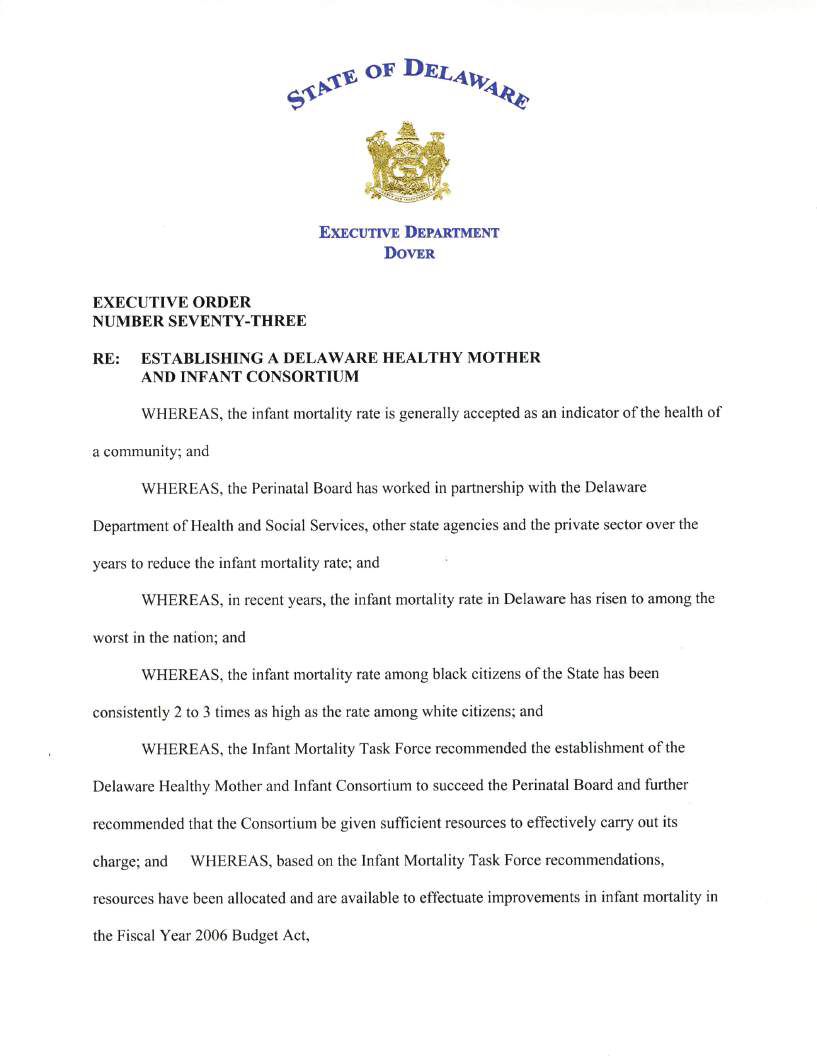
Executive Order No. 73
2008-2011 / From Crisis to Collaboration
Committees formed inside DHMIC. Safe-sleep education spread across the state. Preconception health initiatives reached roughly 15,000 women, and public awareness of prematurity and infant-mortality risk factors climbed.
By 2009, the rates began to decline. By 2011, DHMIC had a clinical arm and a review structure to keep the work moving.
2011
The Delaware Perinatal Quality Collaborative is established as the clinical arm of DHMIC.
2011
The Maternal Mortality Review Committee is established under the Administrative Courts.

2013 / Expanding Access to Care
The DEThrives website launched to spread evidence-based messaging. Statewide education expanded on safe sleep, reproductive life planning, and breastfeeding.
The Healthy Women, Healthy Babies program grew its outreach, focused squarely on racial and geographic disparities.
Long Live Dreams
A two-pronged safe-sleep campaign whose materials remain among the most-requested by partners and providers.
Source: Healthy Women, Healthy Babies Evaluation 2010-2013, Delaware Division of Public Health.
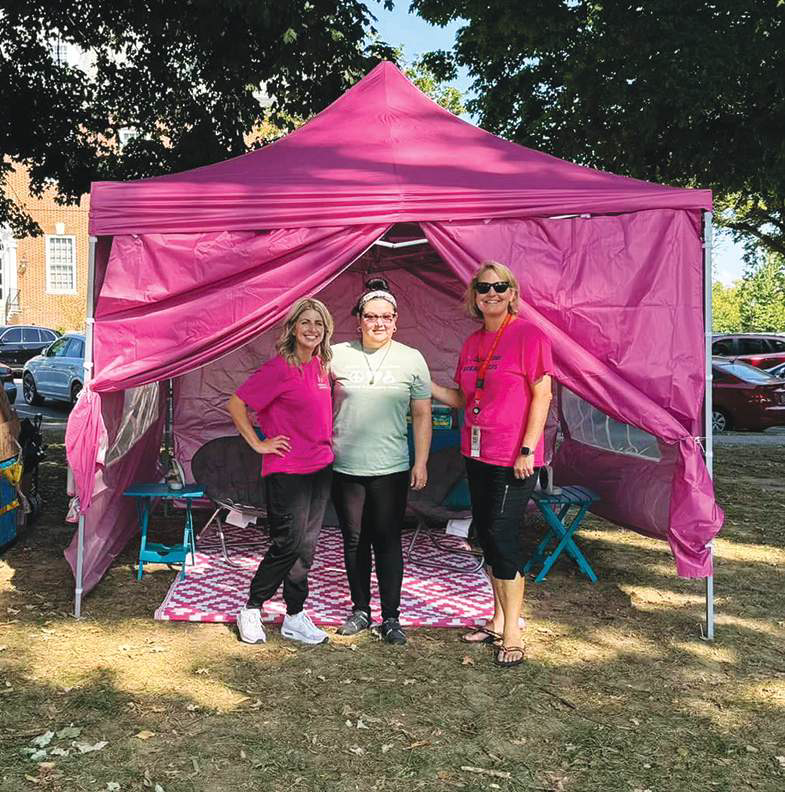
2015 / Communities Unite
DHMIC launched a Collective Impact approach to infant mortality reduction. Cross-sector collaboration expanded across health care systems, community organizations, and public health agencies.
Community-level strategies began targeting the highest-risk populations directly.
2017-2019 / Innovation Becomes Law
The Delaware Perinatal Quality Collaborative was formally codified in state law. Hospitals began implementing AIM safety bundles, and place-based initiatives reached high-risk zones through mini-grants.
Preconception health and the fight against racial disparities only intensified.
2017
DPQC codified into Delaware law
2019
AIM safety bundles roll out across birthing hospitals

2020 / A Record Low
Healthy Women, Healthy Babies 2.0 was implemented, the public-facing DEThrives platform expanded, and DE CAN drove a 17% increase in intended pregnancies.
2022-2024 / Bold Policy
Policy changes expanded postpartum access, strengthened racial-disparity work, and connected high-risk families to practical support for food, transportation, and basic needs.
2022
Postpartum Medicaid coverage extended to 12 months after pregnancy through a state plan amendment.
2023
Momnibus legislation passes the Delaware General Assembly. Medicaid reimbursement for doula care is introduced.
2024
A Guaranteed Basic-Income pilot supports high-risk individuals and reports a 324% return on investment.


2025-2026 / The Whole Family
House Concurrent Resolution 82 directs a comprehensive statewide report on perinatal mental health services, gaps, and workforce needs, integrating maternal mental health into the systems of care.
Meanwhile, the Home Visiting Program keeps growing and connecting families with support at home.
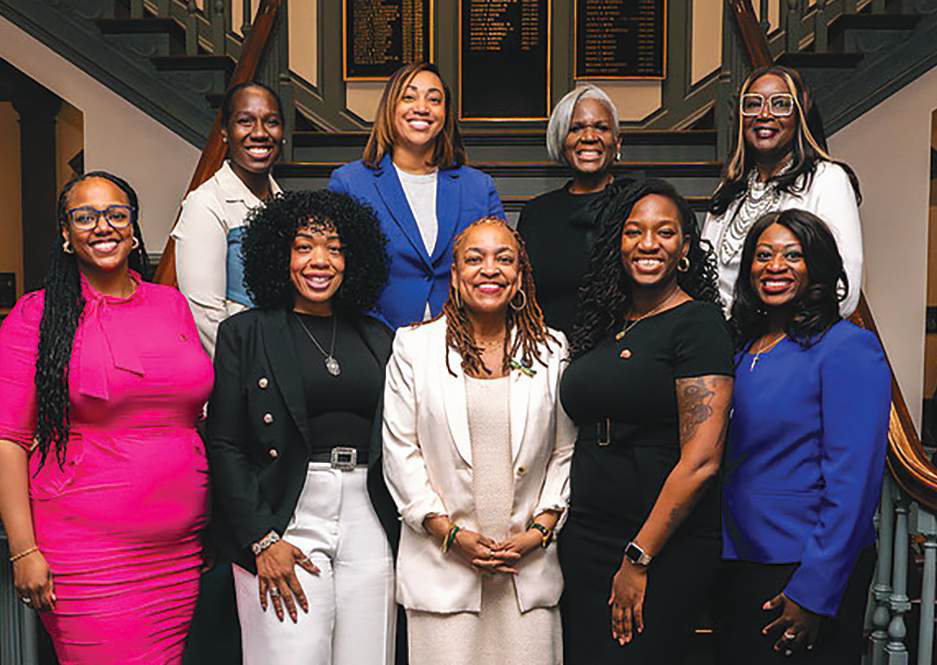
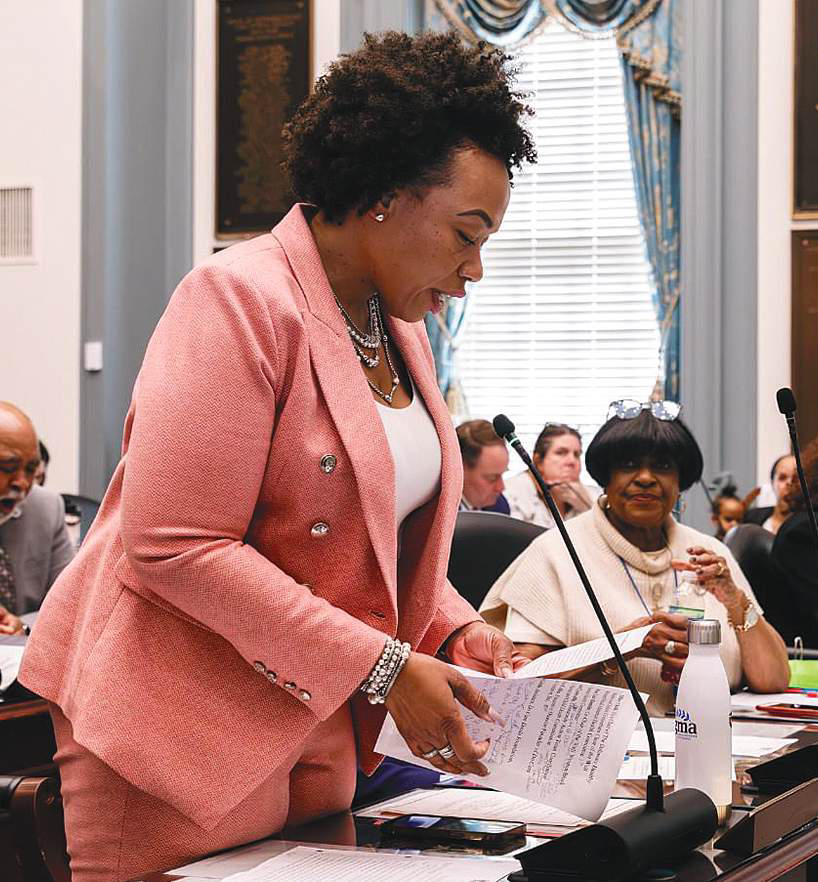
Years of Impact
Community, Togetherness & Accomplishments
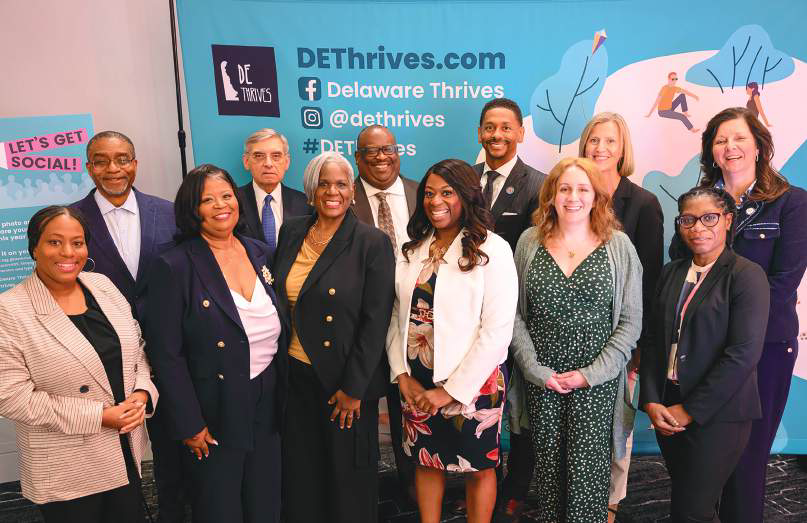





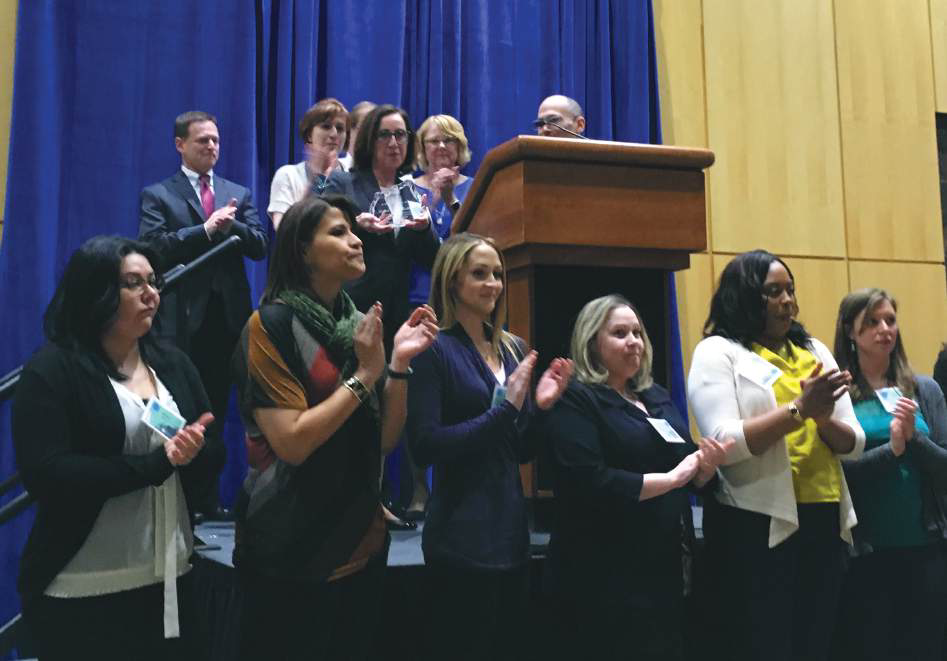
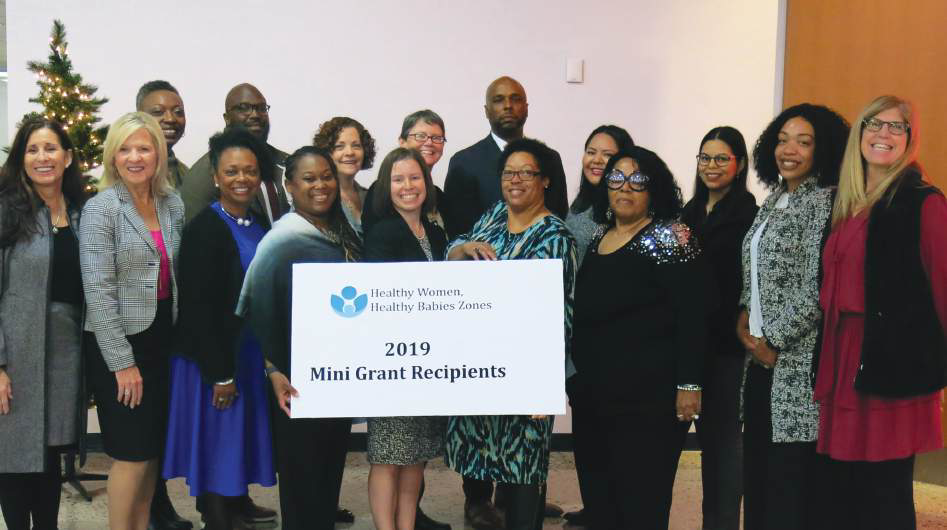




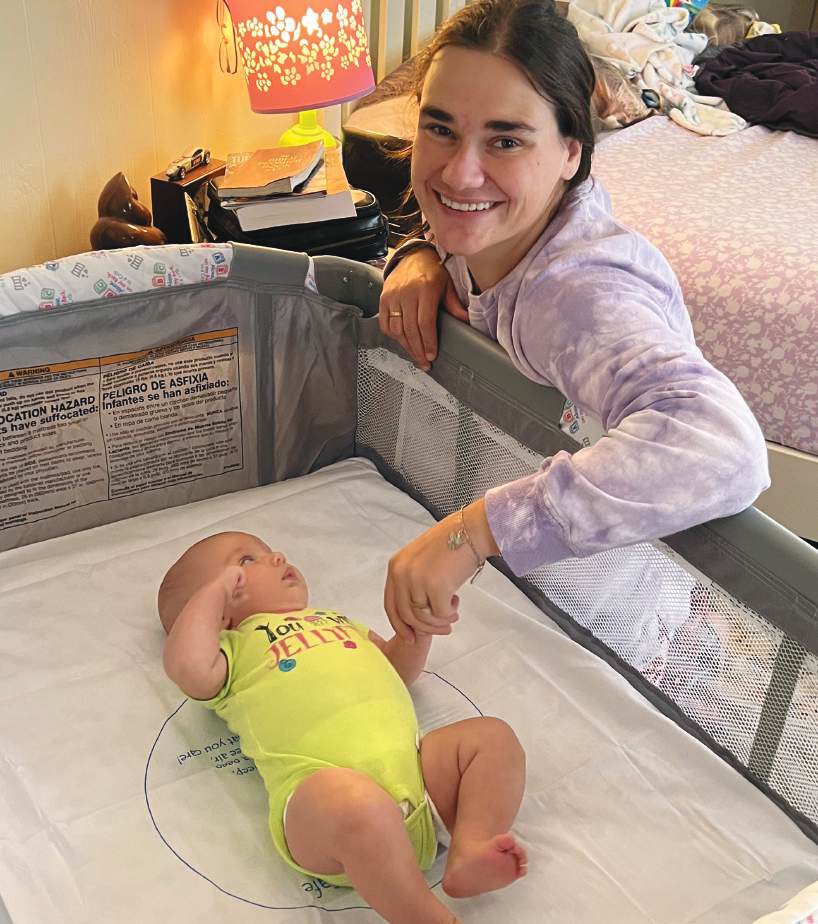
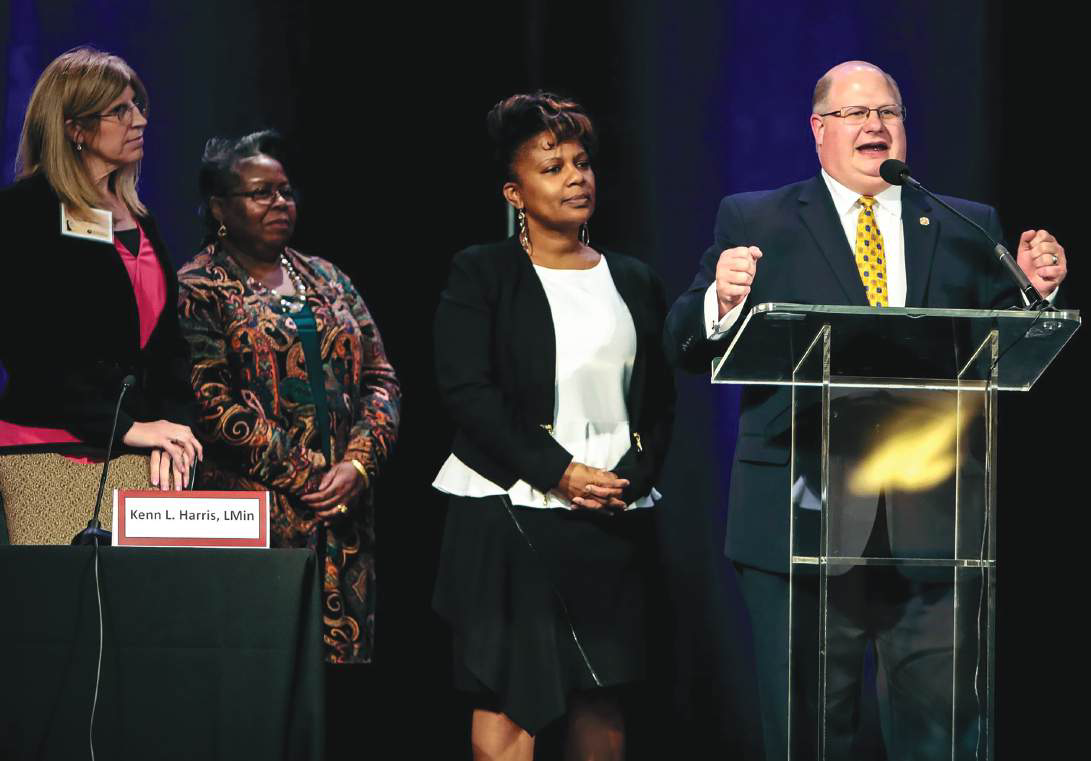
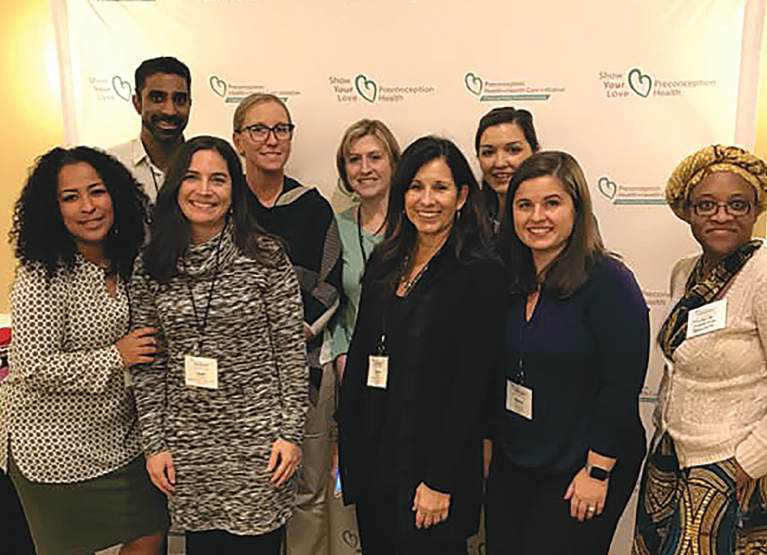
Photos captured at DHMIC Summits and community events across Delaware. Live event drawings illustrated by artist Yen Azzaro.
The Delaware Healthy Mother & Infant Consortium continues its work with every partner, program, and community that made 20 years of progress possible.
Sources: National Center for Health Statistics; Delaware Department of Health and Social Services, Division of Public Health, Delaware Health Statistics Center; Maternal and Child Death Review Commission (2025).
© 2026. Delaware Division of Public Health.